According to the Global Maritime Forum, the transition to scalable green fuels has the potential to create up to four million cumulative jobs across the global energy supply chain by 2050. For comparison, the entire merchant seafaring workforce is about two million. Though not directly comparable, the figures highlight the scale of potential job creation.
The transition to green shipping will reshape job profiles across the maritime sector. This does not mean fewer jobs, just different ones. As global shipping shifts to green fuels and low-carbon technologies, ensuring that workers are equipped to drive and benefit from the transition is critical.
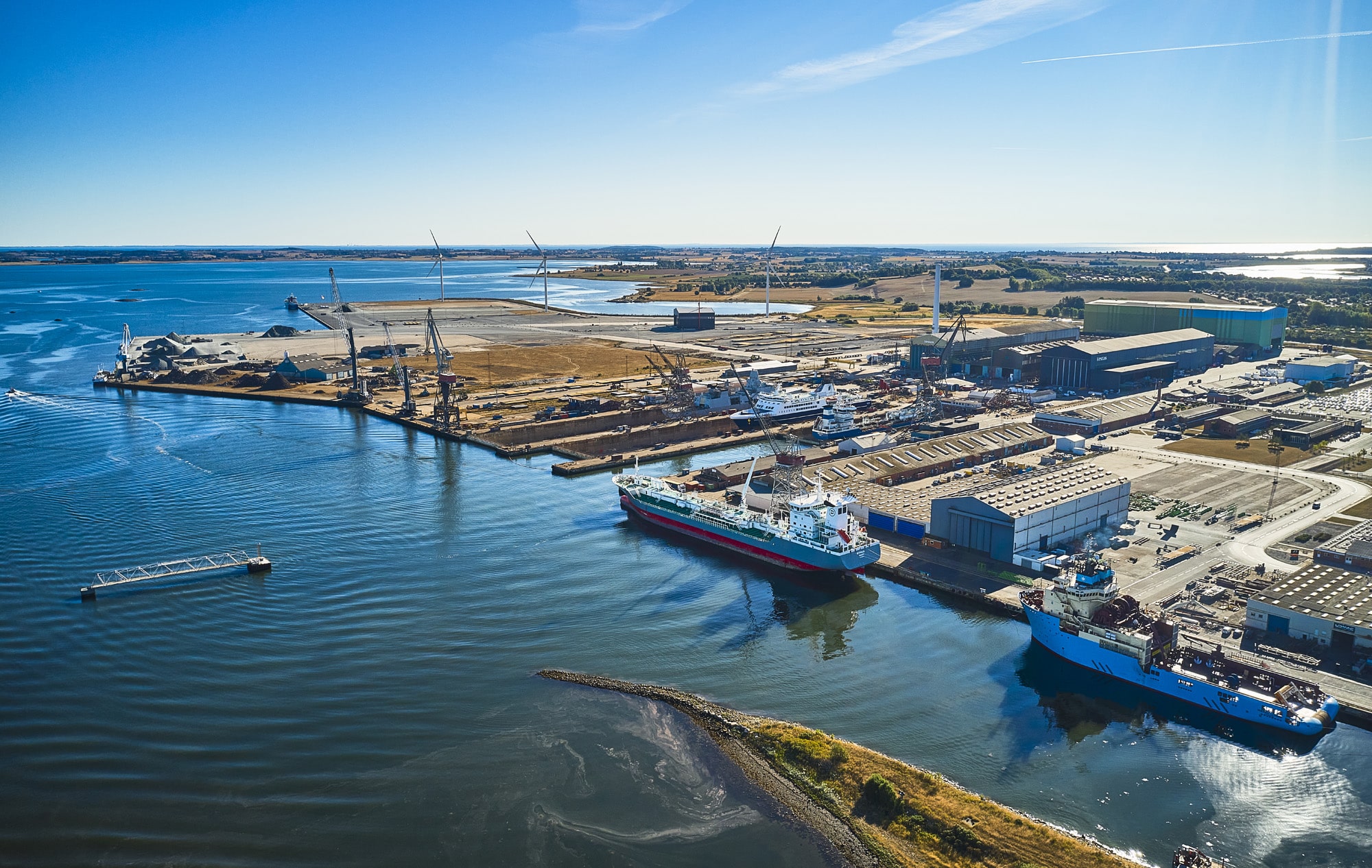
The following examples show how initiatives like wind energy and CCUS generate demand for new competencies and provide a variety of employment possibilities across the maritime value chain.
Offshore wind as an engine for maritime jobs
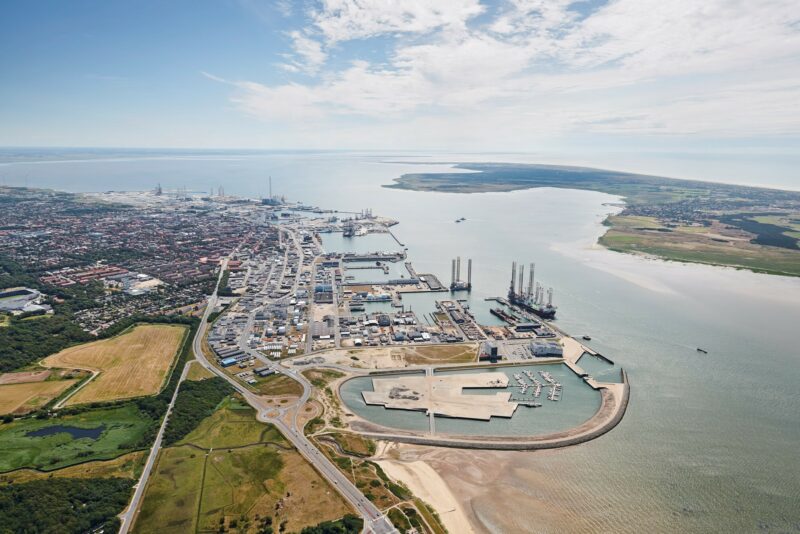
The scale-up of offshore wind is essential as a source of green energy, enabling several decarbonisation pathways in shipping. This build-out is not only an infrastructure project, but also a massive employment generator. A 2020 study showed that one GW of offshore wind in Denmark can support 14,600 many years of employment, including vessel crews, turbine installation teams, cable layers and port operators.
As the sector grows, much of the job growth will come from supporting infrastructure and services, drawing on maritime expertise in the design, construction and operation of wind farms. In addition to the existing 2.6 GW, Denmark plans to expand offshore wind capacity by another 4.5 GW by 2033. This increase will drive the demand for maritime competencies, creating new roles and requiring new profiles. For workers, this means reskilling for offshore operations and upskilling to handle the emerging technologies connected to green shipping.
Growing the workforce by capturing carbon
As the shipping sector seeks to manage residual emissions, carbon capture, utilisation and storage (CCUS) emerges as both a tool for climate-change mitigation and a job creator.
An analysis by the Danish Metalworkers Union estimates that repurposing fields for CO₂ storage could support over 2,500 jobs while also creating 500 new jobs within the maritime industry. Additionally, the think tank Kraka estimates that the potential growth of the CCUS sector is between EUR 3.08–13.4 billion, which could generate between 4,000–17,000 new jobs in Denmark alone.
Both findings highlight CCUS’s dual role in reducing emissions and creating significant job opportunities in both the shipping and energy sectors. Given Denmark’s population of just six million, this scale of job creation signals the substantial potential for CCUS-driven employment in larger economies around the world.