Skip to content

News

Electrification

Data centres

Urban resilience

+1

IEA: The energy crisis makes the case for electrification, efficiency and home-grown energy

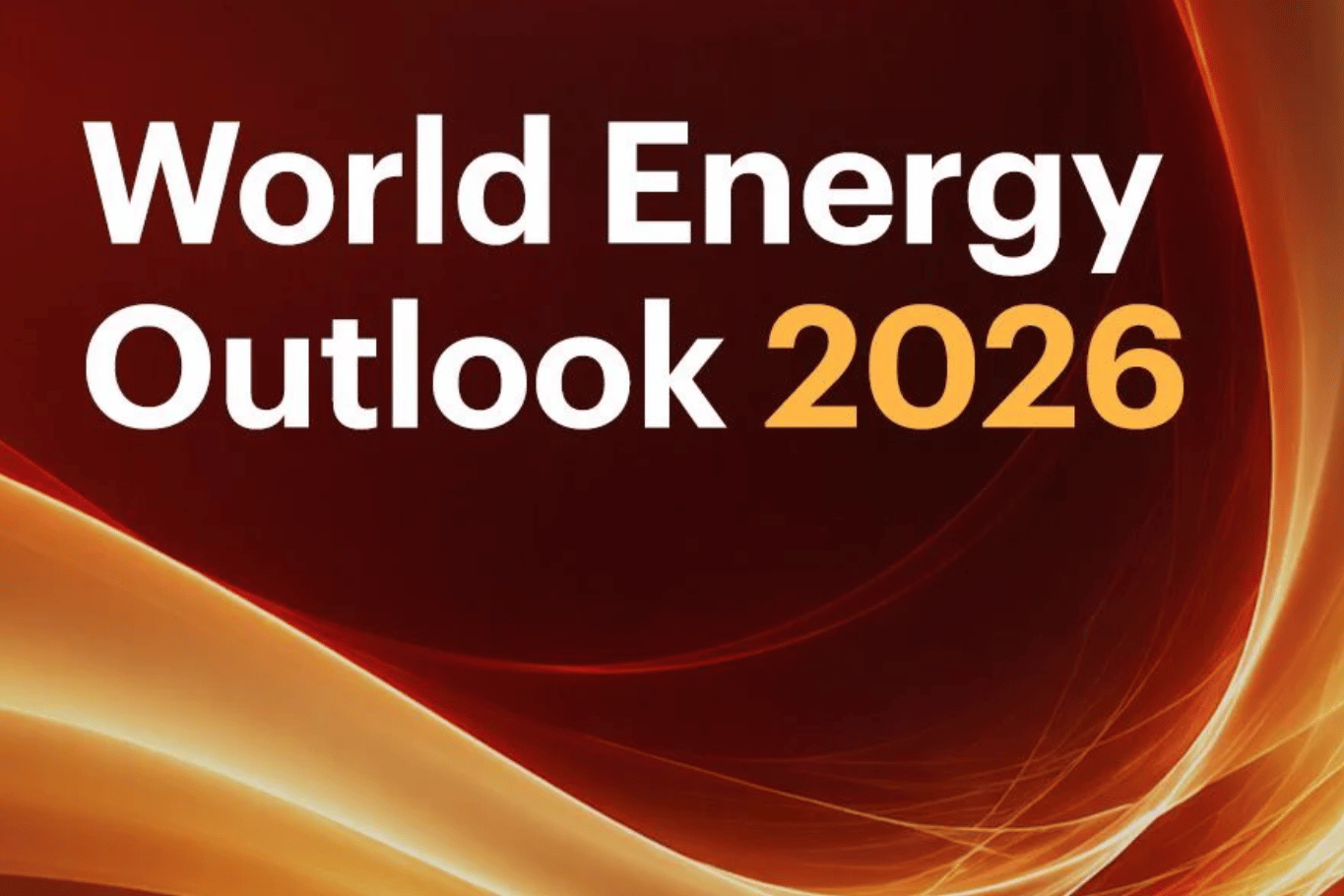
The International Energy Agency's World Energy Outlook 2026 describes the disruption in the Strait of Hormuz as the largest energy supply shock the world has faced. The report points to a clear response: diversify supply, use energy more efficiently and move faster into the Age of Electricity.
image
20 November 2026

How do we build secure and affordable energy systems?

Across the world, governments are turning to the green transition as a response to supply shocks, volatile prices and a changing climate. By investing in renewable energy, electrification, energy efficiency and resilient infrastructure, countries can reduce their dependence on imported fuels while protecting citizens and businesses from price spikes.

Discover tangible cases and connect with solution providers specialising in energy security, energy efficiency and water resilience.

Explore cases and connect with partners

In 2026, the world experienced the largest energy supply shock on record.

As flows through the Strait of Hormuz were disrupted, the world lost 2.8 billion barrels of oil and 60 billion cubic metres of gas from the Gulf. Diesel prices passed USD 200 per barrel. More than 4 billion people live in countries that depend on the Strait for over 30% of their oil, and developing economies in Asia and Africa have been among the hardest hit.

At the same time, August 2026 was the hottest month ever recorded globally, and extreme weather is putting new strain on energy systems. Now, the International Energy Agency’s World Energy Outlook 2026 examines how the crisis could reshape the global energy system, and which choices will make it more secure, affordable and sustainable.

IEA's World Energy Outlook 2026

The World Energy Outlook is the International Energy Agency’s flagship publication and is published every year. The 2026 edition explores how countries may respond to the energy crisis through a set of scenarios, from policies already in place to a pathway that reaches net zero emissions by 2050. It covers energy demand and supply, electricity, security, affordability and access to energy across all regions of the world.

Discover the report

Key findings: security and the energy transition point in the same direction

According to the IEA, the crisis has reinforced energy security and affordability as guiding principles for energy decisions. For many fuel-importing countries, these goals are closely aligned with the push for clean energy.

The report highlights several areas where action can make energy systems more secure, affordable and sustainable:

Lessons from Denmark: Turning a crisis into a green transition

The IEA notes that previous energy shocks, from the 1970s onwards, all left lasting marks on the energy world. Denmark is an example of how a crisis can lead to long-term change.

When the oil crises hit in the 1970s, Denmark imported almost all of its energy. In response, the country began a long-term transition built on energy efficiency, district heating and, later, renewable energy. Today, Denmark shows in practice several of the solutions the IEA points to:

  • Renewable electricity: Wind and solar met 58% of Danish electricity demand in 2025, while Denmark maintains 99.99% security of supply through grid flexibility, sector coupling and strong cross-border connections.
  • Efficient heating: Two-thirds of Danish households are connected to district heating, which uses renewable energy and surplus heat, including heat from industry and data centres.
  • Water efficiency: Danish water utilities have reduced water losses to an average of around 7%, compared with 25-50% in many parts of the world, through regulation, smart metering and leak detection.

The World Energy Outlook 2026 underlines an important point for the green transition:

Energy security, affordability and climate action are not competing goals. With renewable energy, electrification and efficient use of resources, countries can build energy systems that are more secure and resilient to the next crisis.
You should consider reading

Data centres
Electrification
Urban resilience
Water resilience

Sorry - no matching results

Try adjusting your filters or search term to explore more content.