News
Danes have the world’s biggest appetite for organic foods
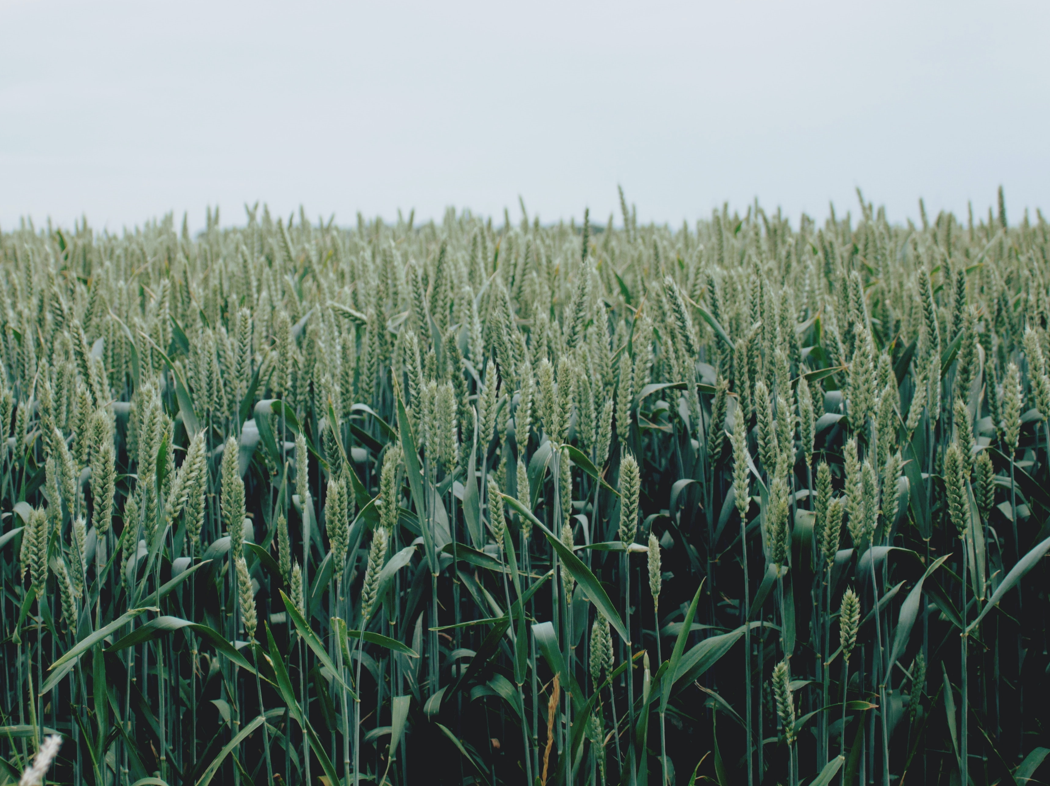
Organic farmland and retail sales continue to show strong growth worldwide. In Denmark, organic carrots, milk and eggs are once again taking up more space in the shopping baskets than any other place in the world. This is shown in the report “The World of Organic Agriculture” by FiBL and IFOAM – Organics International based on data from 190 countries.
The new report shows that the global market for organic food products had the highest growth ever in 2020, exceeding 120 billion euros. The European organic market also reached a record high in 2020 as it increased by 15 percent. The European consumers, in general, spend more on organic food, but especially the Swiss and Danish consumers are filling their baskets with organic as they spend EUR 418 and EUR 384 per capita, respectively on organic food.
Danes love organic
The report once again proves that Denmark is the country in which most people buy and eat organic foods. Measured by population, the Danes are the people in the world who buy the most organic. The market share for organic sales in the Danish retail trade was 13 percent in 2020, which is the largest share globally. Austria and Switzerland followed Denmark with a market share of respectively 11.3 percent and 10.8 percent.
Lise Walbom, CEO, Food Nation says: “Once again, organic food products in Denmark have a bigger share of the retail market than anywhere else in the world. Our strong and trusting collaboration across the public and private sector has provided a solid foundation for this growth adventure through many years and the Danish food sector is happy to continue the journey and deliver healthy, sustainable and organic products to our partners all around the world”.
Related news: Denmark sets binding 2030 climate target for agriculture
Decades of green awareness and sustainable practices
The history of organic Denmark goes decades back. In 1971, Denmark was the first country in the world to create a ministry of environment. The establishment came following an increasing awareness on sustainable practices and environmentally friendly consumption throughout the 1960s.
Danish food production has since had a sector-wide emphasis on making products with minimal pollution, high resource efficiency and a small carbon footprint. In this regard, Denmark, as the first country in the world, got its own organic law in 1987. Three years later, the national organic label for organic goods, “Ø-label”, was introduced. By doing so, Denmark provided the conditions that have turned an organic mindset into a thriving business area, which is both trusted and well-known for its high standards of traceability, quality and sustainability.
Read more about Danish initiatives to further develop a sustainable agriculture and food sector via Food Nation here.