Experiencing Denmarks energy landscape
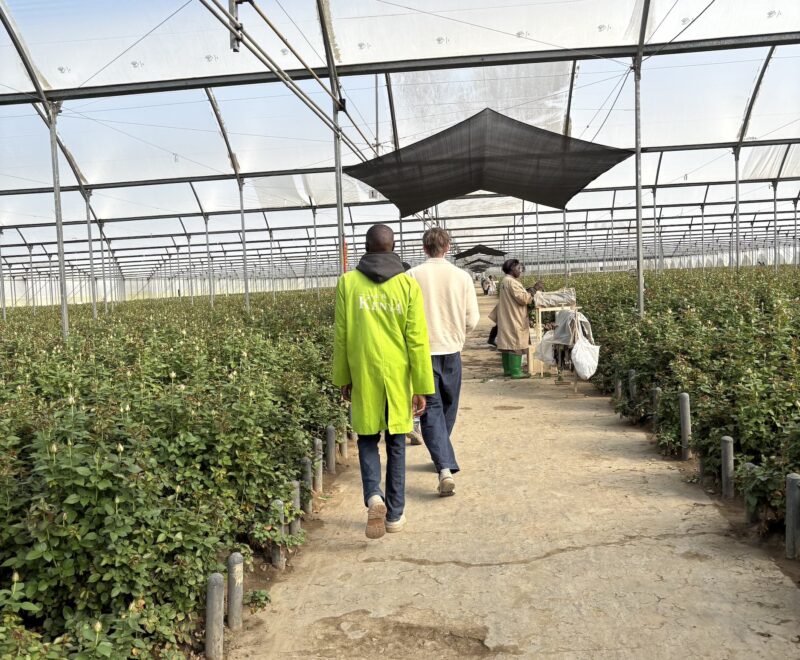
The RESYM delegation, coming all the way from South Africa, to learn about Denmarks experience with industrial symbiosis.
News
Industrial symbiosis
Circular business models
Resource efficient production
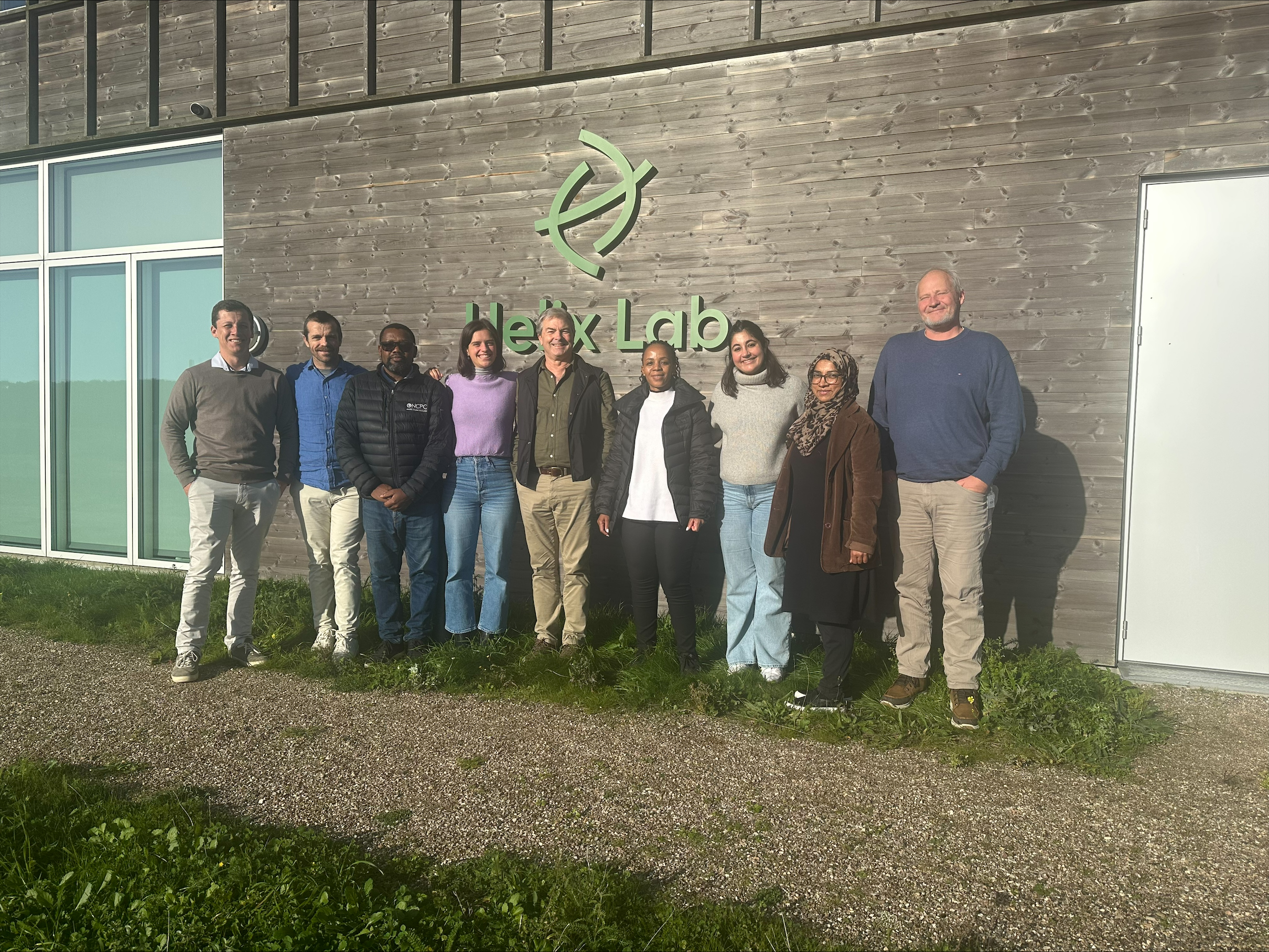
CLEAN delegation from South Africa visits Denmark to experience industrial symbiosis. Photo credit: Clean Cluster

From 26 to 30 October 2026, a South African delegation from the Atlantis Special Economic Zone (ASEZ), the National Cleaner Production Centre South Africa (NCPC-SA) and GreenCape spent a week in Denmark. They came to see how Danish companies, utilities and municipalities work together to share energy, water and materials. The visit is part of RESYM, a Danish–South African project co-funded by the Danish Energy Agency.
The programme was organised by Clean – the Danish Water and Environmental Cluster, together with Kalundborg Symbiosis and Kalundborg Utility. It took the delegation from Avedøre Holme near Copenhagen to Kalundborg and ended with a closing session at State of Green on Friday 30 October 2026.
Industrial symbiosis is not new in the Western Cape. GreenCape launched the Western Cape Industrial Symbiosis Programme (WISP) in 2013, and the City of Cape Town has funded it since 2016. WISP has facilitated 237 synergies between companies, diverted 146,000 tonnes of waste from landfill, saved participating firms R155 million, avoided 435,000 tonnes of CO₂e and helped create more than 400 jobs.
RESYM builds on this work and adds Danish experience from Kalundborg. The same Danish team (Clean, Kalundborg Symbiosis and Kalundborg Utility) has used this approach before in Rio de Janeiro, Brazil, through the PRESI 1.0 and PRESI 2.0 projects.
In April 2026, the Danish partners travelled to the Western Cape. Together with GreenCape, they mapped water, energy and material flows at three companies in the Atlantis industrial area. They identified at least ten opportunities, from using foundry sand in local construction and using technical water and reactivating boreholes, to recovering waste heat through a shared steam network.
The October visit brought the South African side to Denmark. ASEZ is a special economic zone for green-tech manufacturing, set up in 2018 about 40 km north of Cape Town. NCPC-SA, hosted by the CSIR, runs South Africa’s national industrial symbiosis programme and can take the lessons to other provinces. GreenCape connects the work to WISP and local industry.
The RESYM delegation, coming all the way from South Africa, to learn about Denmarks experience with industrial symbiosis.

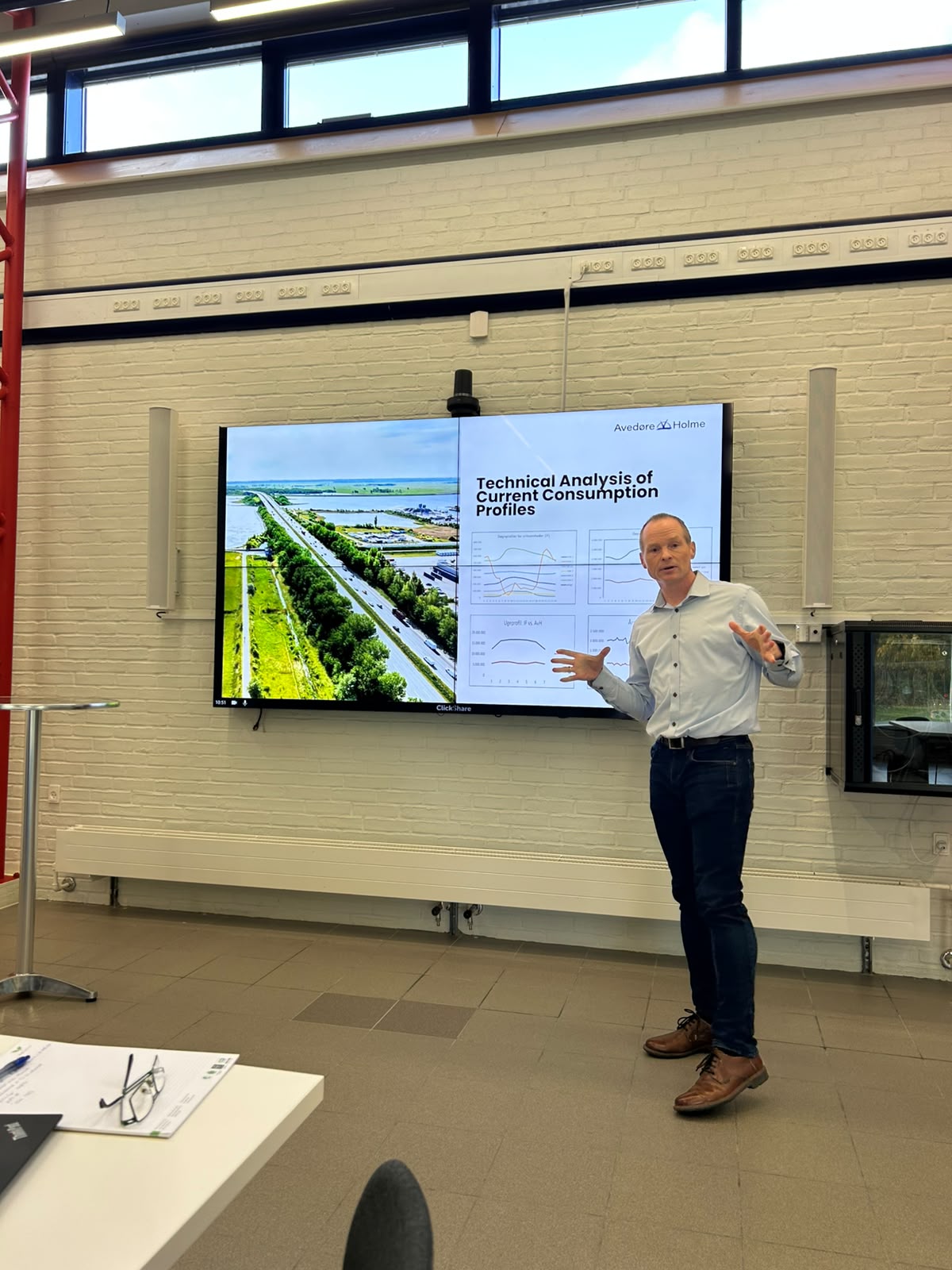
The week began at Avedøre Holme in Hvidovre, one of Denmark’s largest industrial areas, with more than 700 companies and 12,000 jobs. Inspired by Kalundborg, Hvidovre Municipality and the area’s industrial and landowners’ association have signed a partnership to make it Denmark’s greenest business area. Avedøre Holme is at a similar early stage to Atlantis, which made it a good place to start.
Kaspar Nielsen, Chief Consultant at Hvidovre Municipality, explained the municipality’s role in building a green business district. Kasper Larsen, Project Manager at Avedøre Holme, presented plans for a local energy community, where companies share renewable energy produced in the area.
Avedøre Holme in Hvidovre is one of Denmark’s largest industrial areas, with more than 700 companies and 12,000 jobs, and it aims to become the country’s greenest business area.
On Tuesday and Wednesday, the delegation visited Kalundborg. Here, 17 public and private partners exchange energy, water and materials. Each year the symbiosis saves 586,000 tonnes of CO₂, 4 million m³ of groundwater and 62,000 tonnes of residual materials.
Bjarke Skaaning, Head of Secretariat at Kalundborg Symbiosis, led the session on the symbiosis itself: how it started, how the partners keep the collaboration going, and how it is governed. He co-facilitated the visit with his colleague Nadejda Ulstrup-Hansen, Project and Communications Manager at Kalundborg Symbiosis.
A recurring message was the role of the public sector. Søren Stensgaard, Head of Department for Sustainable Development at Kalundborg Municipality, described how the municipality acts as planner and authority, and also as a facilitator of partnerships. Hasse Milter, Head of Innovation at Kalundborg Utility, showed how the municipally owned utility plans water, heat and cooling together with the companies. That includes a 166 MW district cooling system that uses seawater, which is especially relevant for the Western Cape, where cooling matters more than heating. Anette Birck, Director of Helix Lab, presented how Kalundborg links industry with universities and students.
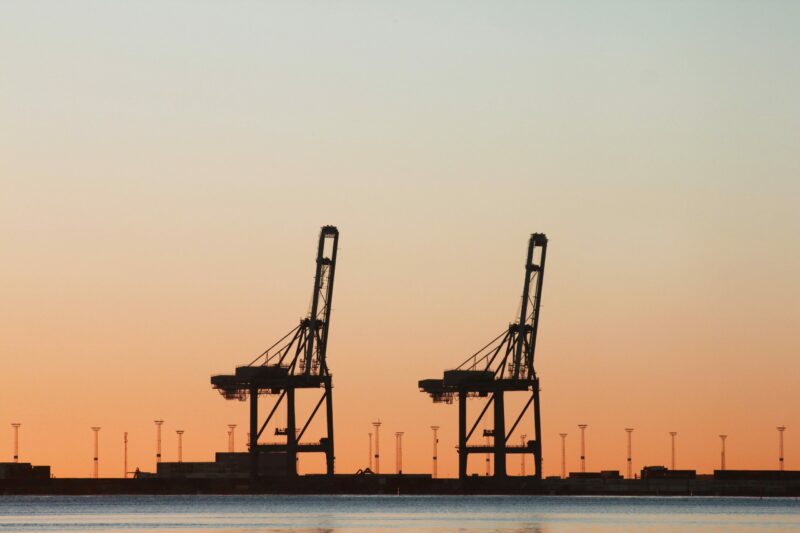
On Tuesday, the delegation also visited the Port of Kalundborg. Michael Larsen, Chief Commercial Officer at the port, showed them around and explained how the port is run and the role it plays in Kalundborg.
Kalundborg Symbiosis is a industrial symbiosis partnership where 17 public and private partners have exchanged energy, water and residual materials for more than 50 years, saving 586,000 tonnes of CO₂ a year.

On Thursday, the delegation met companies at Clean’s office: SemperCycle, Cara Cooling, Customise Me, Nordic African Consultancy and Maverick Travaux et Logistique.
The week ended on Friday at State of Green. Iver Høj Nielsen, Global Affairs Director at State of Green, presented Denmark’s green transition, and Klaus Lehn Christensen, Head of Business Partnerships at the Confederation of Danish Industry (DI), presented DI’s work in South Africa. The South African Ambassador to Denmark, H.E. Ms Ntombizodwa Lallie, joined the closing session. She encouraged the partners to continue the project and the partnership between Denmark and South Africa, and to take the approach to other industrial sites in South Africa.
Back in South Africa, ASEZ will take the lessons into its work on governance and shared infrastructure for the zone. Through NCPC-SA, the experience can also feed into industrial symbiosis work in other provinces.
Together, the April and October visits have built a direct, two-way exchange between Danish and South African practitioners. RESYM’s results, including the identified opportunities and a roadmap, will be published and shared through the partners by December 2026.
RESYM – Resource Efficiency through Industrial Symbiosis in the Western Cape – runs from January to December 2026. It connects Danish experience with industrial symbiosis to local initiatives in South Africa, with the Atlantis Special Economic Zone as a key site.
Partners: Clean – the Danish Water and Environmental Cluster (project lead), Kalundborg Symbiosis, Kalundborg Utility, GreenCape and the Western Cape Government. The City of Cape Town is an associated partner, and ASEZ and NCPC-SA are close collaborators.
Funding: The RESYM project is co-funded by the Danish Energy Agency.
Contact: Laís de Rezende Valença, Project Manager, Clean – [email protected]
Solution
Bio-based circular solutions
+5
Solution
Circular business models
+15