1/1
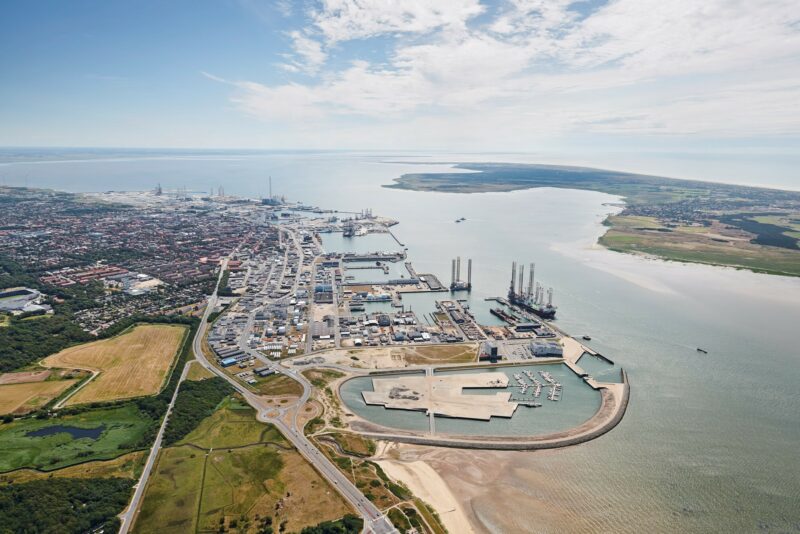
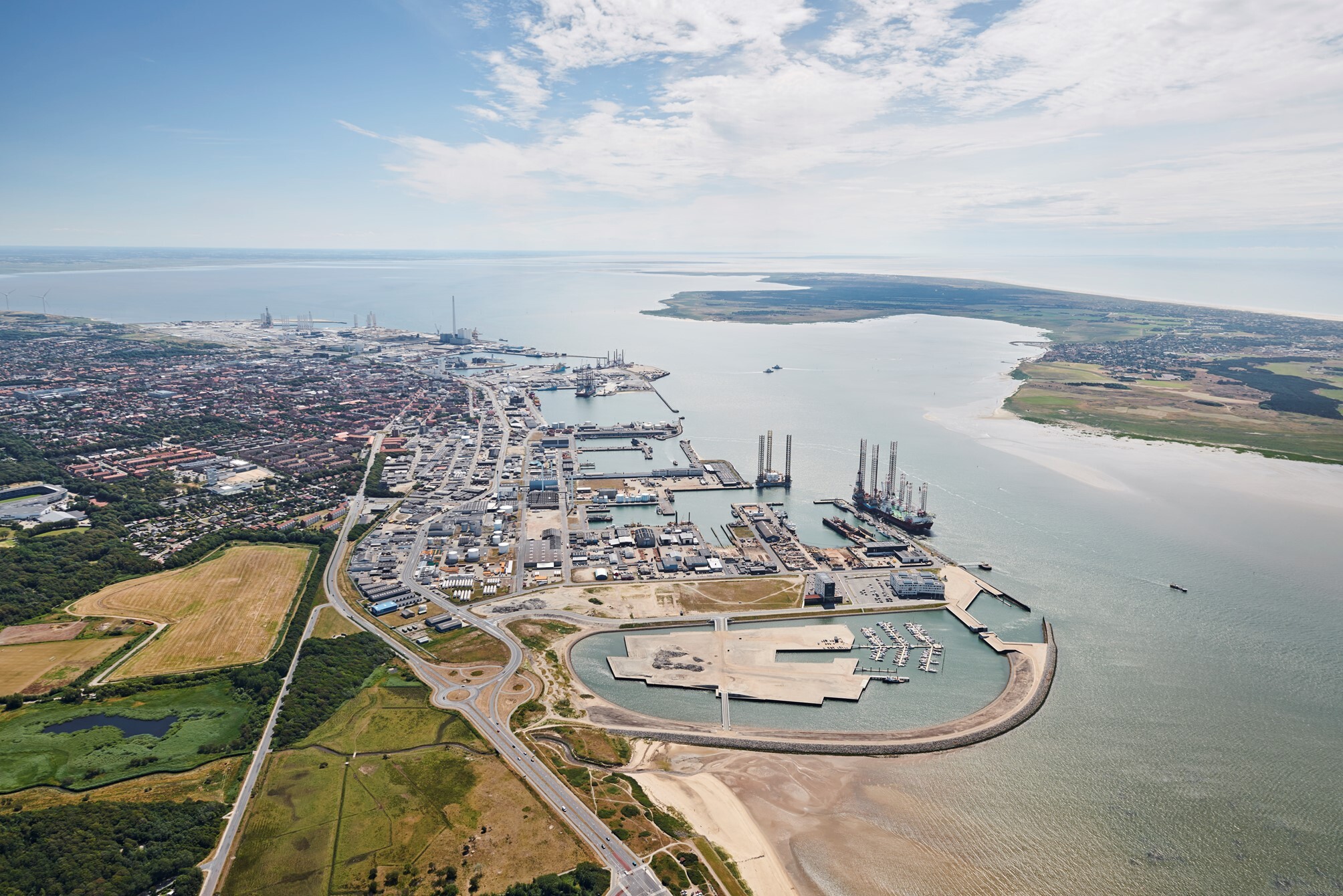
Overview of Port of Esbjerg
With offshore wind in the North Sea expanding, the Port of Esbjerg is becoming one of Europe’s main hubs for green hydrogen and Power-to-X (PtX).
Image credits: Port of Esbjerg
Perspective
Power-to-x
Green hydrogen
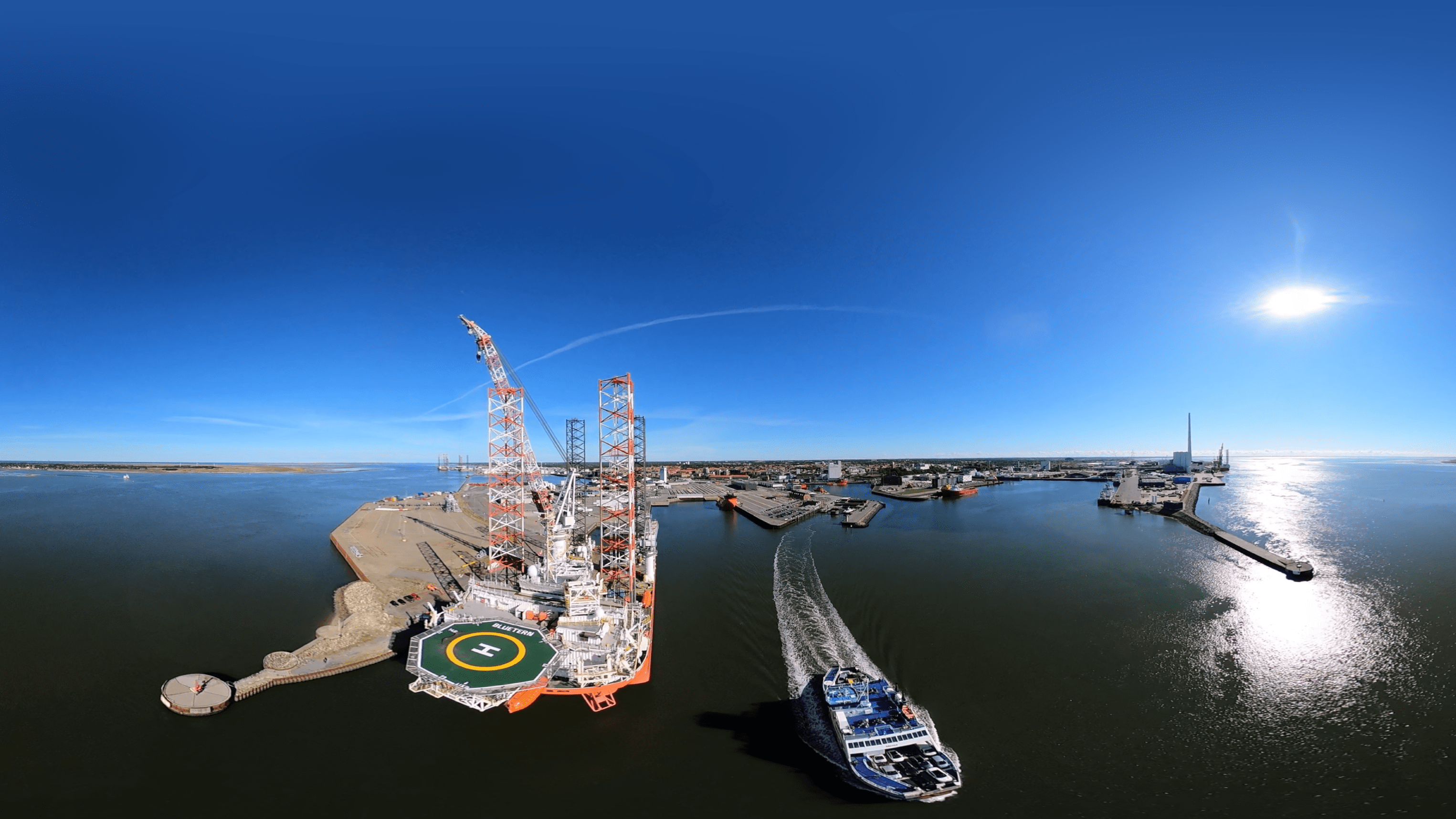
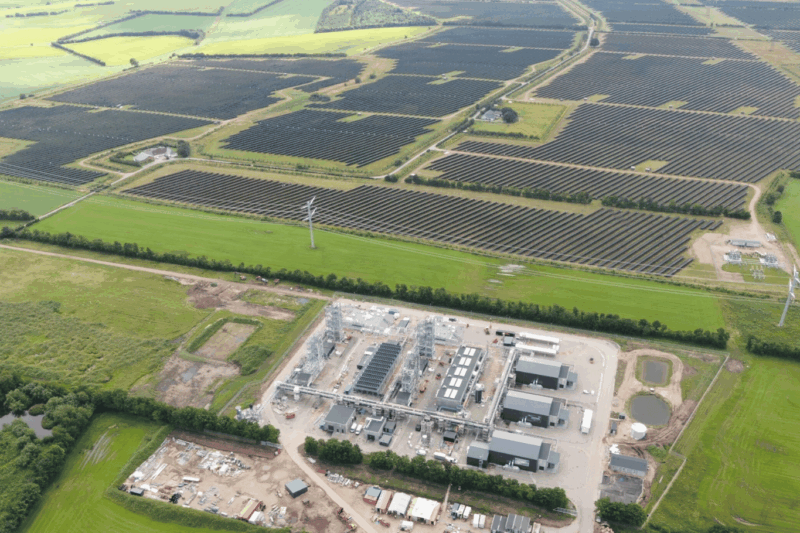
Photo credit: Port of Esbjerg
Denmark currently has approximately 110 MW of installed electrolysis capacity, with major projects including Everfuel’s HySynergy and European Energy’s Kassø facility. At the same time, several arger-scale hydrogen projects are under development, many with plans to supply hydrogen to Germany through the future pipeline. Denmark is continuing the build-out of renewable energy capacity, including offshore wind, to support growing electricity demand from sectors such as Power-to-X. In 2026, Denmark’s latest offshore wind tender concluded, awarding Vattenfall the rights to develop two new offshore wind farms with a combined capacity of at least 1.8 GW, scheduled for completion in 2032.
Since the adoption of Denmark’s national Power-to-X strategy in 2021, Denmark has introduced four more agreements. One central agreement is the support for establishing the first phase of the hydrogen pipeline, also referred to as the Danish Hydrogen Backbone 1. The original agreement committed EUR 925 million in loans. In September 2026, the Danish Government increased state subsidies to a total of up to EUR 2.2 billion. The development remains conditional on producers booking at least 500 MW transport capacity by the end of 2026 without financial commitment. The threshold is reduced to 100 MW with financial commitment, and the deadline is postponed to 1 January 2028, giving projects more time to mature.
The planned pipeline will connect projects in several areas with existing or planned hydrogen production, including projects such as HØST PtX Esbjerg (CIP), Njordkraft (MorGen Energy), Vidar (RWE), Frigg (Everfuel), Albatros (Hy2gen), and Heimdal (European Energy), anchoring the infrastructure in concrete production. At European level, current regulations are creating the framework for renewable hydrogen demand. RED III introduces binding requirements for the use of Renewable Fuels of Non-Biological Origin (RFNBOs) in industry and transport.
Recently, Germany introduced a national RFNBO quota for the transport sector, rising to 10 percent by 2040. Other measures, such as the EU Emissions Trading System (EU ETS 2) and the Carbon Border Adjustment Mechanism (CBAM) are expected to increase incentives for lower-carbon production in energy-intensive sectors.
Germany has allocated EUR 1.3 billion to support imports of renewable hydrogen from Denmark through the planned hydrogen backbone. The funding is being implemented through the European Hydrogen Bank’s Auction as-a-Service mechanism and is intended to help bridge the price gap between renewable hydrogen and conventional alternatives.
Support will be provided over a ten-year period, with three Danish projects selected for contract negotiations. At EU level, the European Hydrogen Bank is also providing more than EUR 1 billion through its 2026 auction to scale renewable hydrogen production across Europe, with two Danish projects selected for funding.
Attention is currently on implementation. Key milestones include the 2026 (without financial commitment) capacity booking process, the conclusion of grant agreements for the selected Danish projects, and further progress on commercial offtake and investment decisions. If the capacity booking process advance as planned, the Danish Hydrogen Backbone 1 is planned to be operational by the end of 2030.
CBAM applies carbon pricing to selected imports, including steel, cement and hydrogen. It began in 2023, with full implementation from 2026.
The existing EU ETS is an emissions trading system covering CO₂ emissions from power generation and heavy industry. From 2027 EU ETS 2 it will cover buildings and fuel suppliers for road transport.
RFNBOs are fuels for transport and industry produced from renewable electricity, rather than biomass. Examples include green hydrogen, e-methanol and e-ammonia. There are a growing pressure to broaden the RFNBO definition, the direction remains uncertain.
RED III is the 2023 revision of the EU Renewable Energy Directive. It sets a binding target of a 42.5 percent share of renewables in the EU energy mix by 2030 and requires at least 42 percent of hydrogen used in industry to be RFNBO by 2030. Currently, there are considerations around revising the RFNBO regulation under RED III, this remains uncertain.
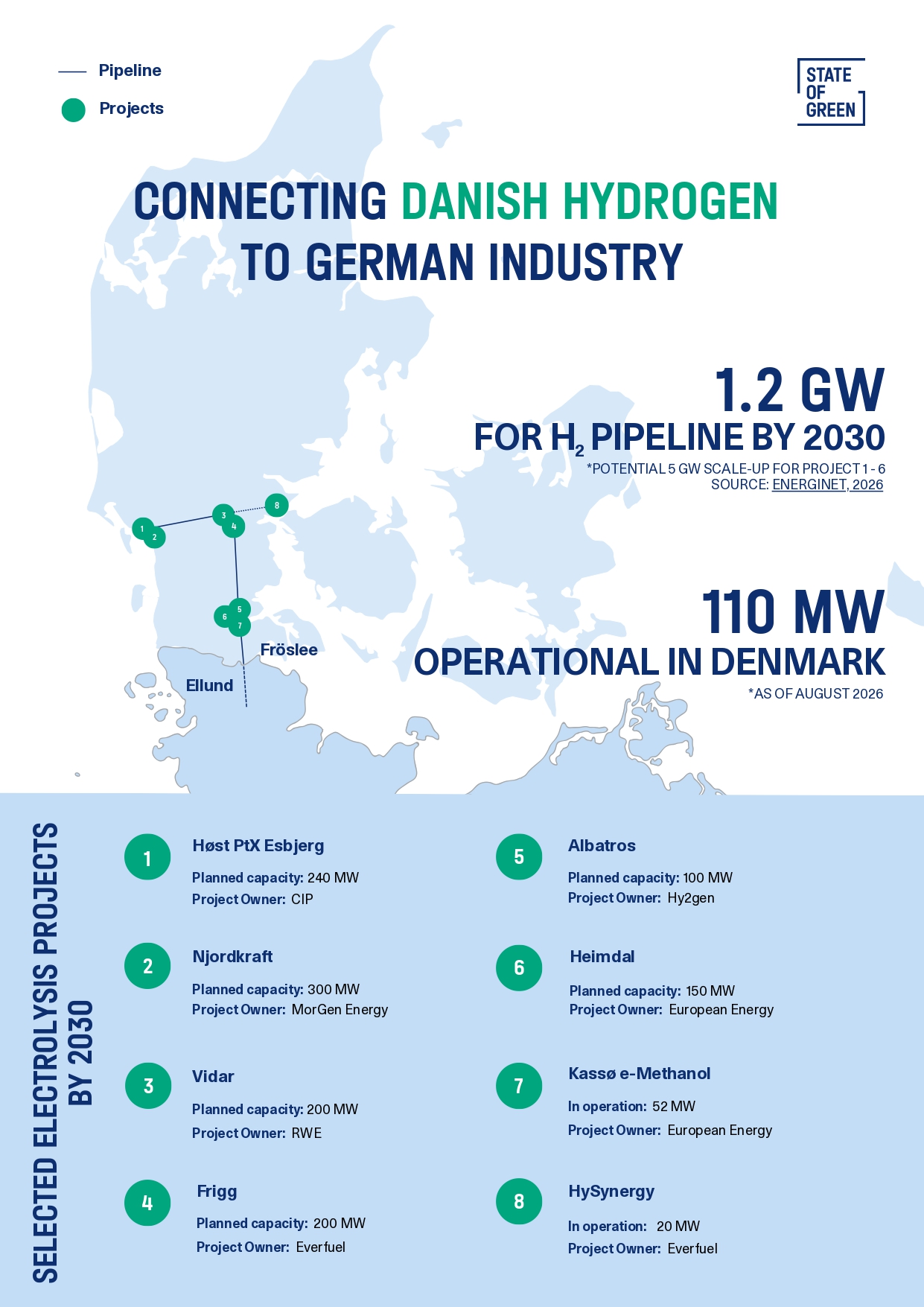
State of Green’s new information sheet provides an overview of key Denmark-Germany hydrogen milestones, planned pipeline and selected Danish electrolysis projects.
Download the information sheet to explore Denmark’s emerging hydrogen infrastructure.
Explore