Solution providers

Case
Buildings
Climate resilient buildings
Smart cities
+1
Add the case to your visit request and let us know that you are interested in visiting Denmark
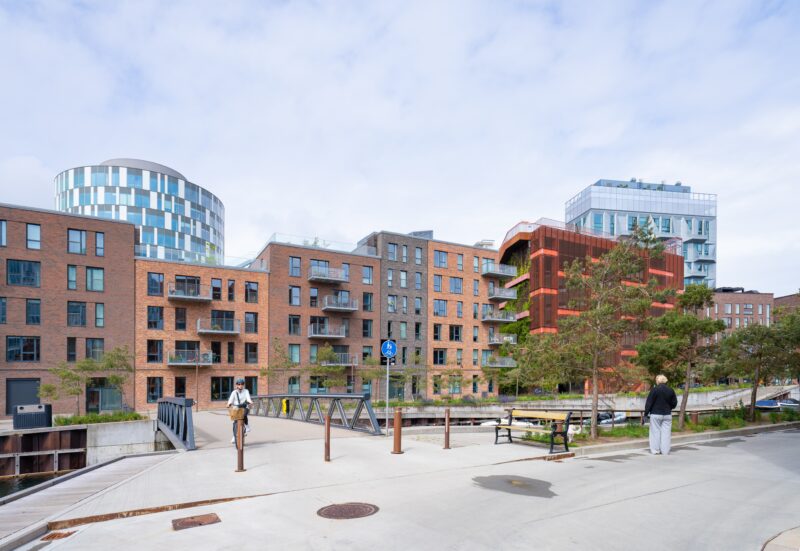
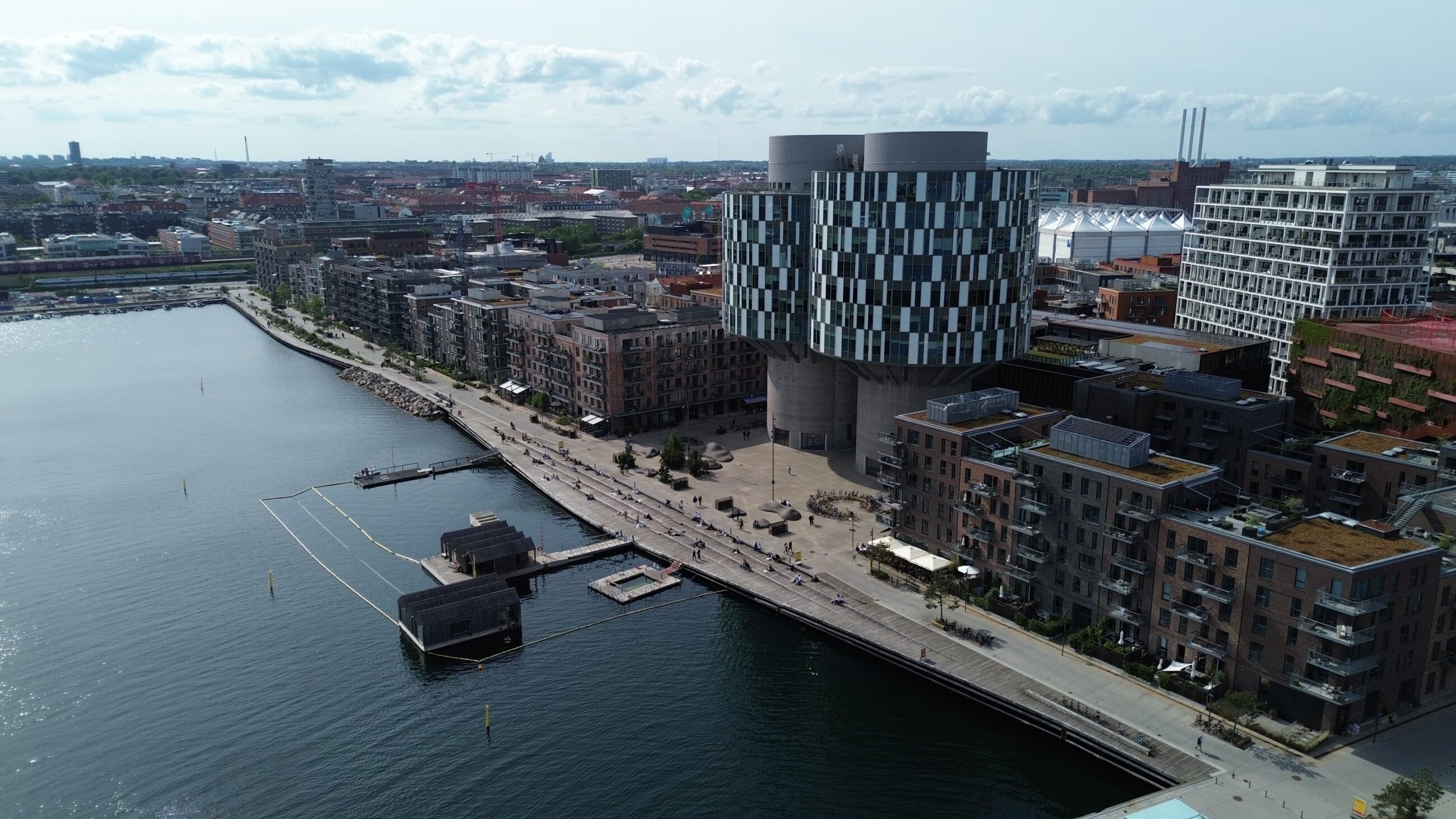
Photo credit: Urban Partners
In the late 1980s and early 1990s, Copenhagen faced a severe urban and economic crisis. The city was losing population, unemployment reached 17.5%, public finances were under strain with debt exceeding DKK 10 billion, and much of the housing stock was outdated and unfit for modern needs. At the same time, European cities more broadly were entering a period of structural change, marked by global competition, climate pressures, and declining trust in public institutions.
These challenges continue today in a new form. Europe’s share of global GDP has declined significantly, climate impacts are intensifying, and cities face rising housing costs, infrastructure constraints, and social inequalities. As cities generate more than half of EU GDP, their ability to remain liveable, competitive, and climate-resilient has become a central challenge for Europe’s future prosperity.
Copenhagen’s response was not based on a single masterplan or flagship project, but on a set of consistent ways of working that aligned long-term direction with delivery. Over several decades, the city developed a flexible planning and governance framework that integrated housing, mobility, energy, climate action, and economic development into a coherent urban strategy.
Key elements included long-term municipal planning updated regularly to respond to changing conditions, public development companies such as By & Havn to link land development with infrastructure investment, and financial models such as land value capture to fund major projects including metro expansion and harbour regeneration. Climate mitigation and adaptation were embedded into urban development through initiatives such as the Eco-Metropolis strategy, the 2025 Climate Plan, and the Cloudburst Management Plan, integrating environmental goals with everyday urban life.
Cross-sector collaboration played a central role. Public authorities, utilities, private investors, pension funds, and civic actors shared responsibility for development, aligning capital with long-term societal goals. Culture, public space, and liveability were treated as core urban infrastructure, reinforcing Copenhagen’s attractiveness for residents, businesses, and investors alike.
The Copenhagen Way is a publication made by Bloxhub, Ramboll and Urban Partners.
The publication outlines how Copenhagen transformed from a city on the brink of financial collapse in the 1990s into one of the world’s most liveable and competitive urban centers. The transformation of Copenhagen is presented as an exemplary model of urban renewal, achieved through long-term strategic planning, systemic innovation, and cross-sector collaboration.
By providing a detailed account of Copenhagen’s urban regeneration strategies, the publication serves as a guide for other cities aiming to achieve similar transformations. The overall message is that with long-term vision, strategic investment, and collaboration, cities can overcome crises and emerge stronger.
Learn more about The Copenhagen WayWithin a generation, Copenhagen transitioned from near-bankruptcy to becoming one of the world’s most liveable and competitive cities. The city rebuilt its tax base, attracted residents and investment, and achieved strong economic growth, with real GDP in the urban core significantly outpacing national growth over time. Harbour waters once dominated by industrial activity are now clean enough for swimming, cycling has become a dominant mode of transport, and public spaces play a central role in daily life.
Beyond local outcomes, Copenhagen’s experience demonstrates how cities can act as critical infrastructure for national and European resilience. The Copenhagen Way shows that long-term planning, systemic investment, and alliance-driven practice can deliver climate action, economic competitiveness, and social liveability simultaneously. While not a blueprint, it provides a proof of concept for how European cities can turn crises into catalysts and build resilient, low-carbon urban futures through coordinated, place-based action.
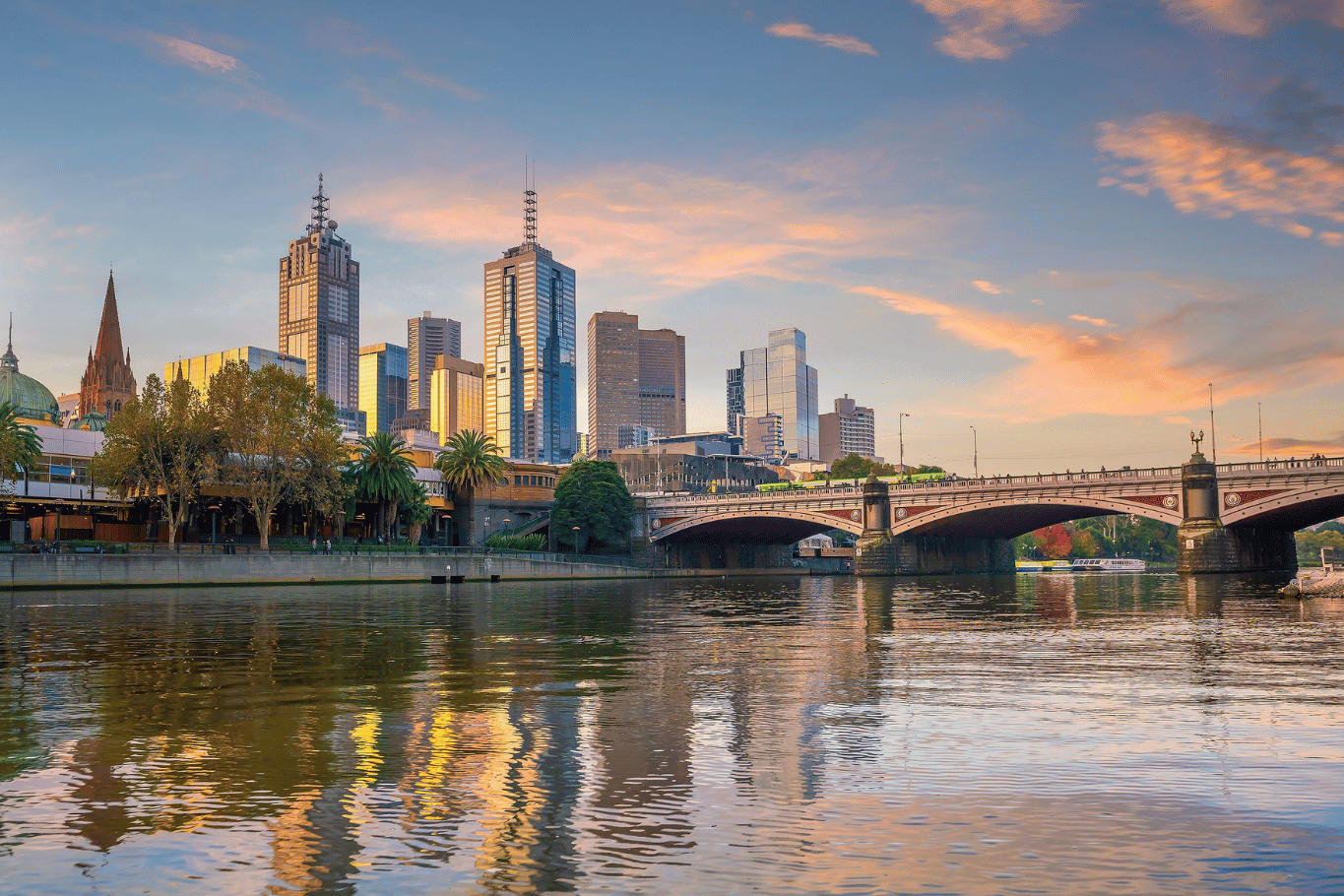
Urban Partners is part of the official state visit to Australia led by the Ministry of Foreign Affairs of Denmark.
Explore partnerships, trade and alliances and connect with partners from Denmark’s Official Visit to Australia 2026.
Discover partners on green buildings