Download our publication on clean air today
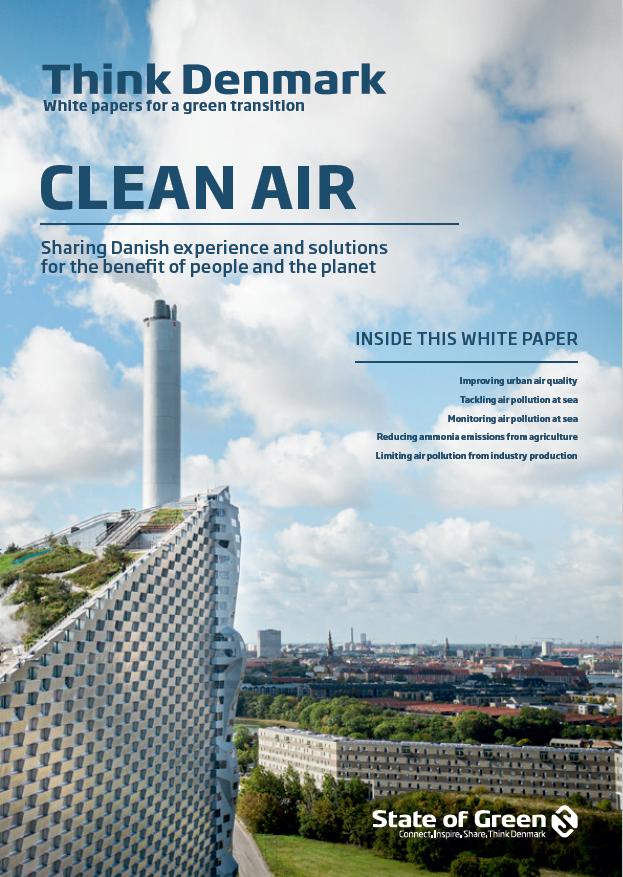
This article is part of our publication ‘Clean air’.
Download nowPerspective
Air pollution from industry production
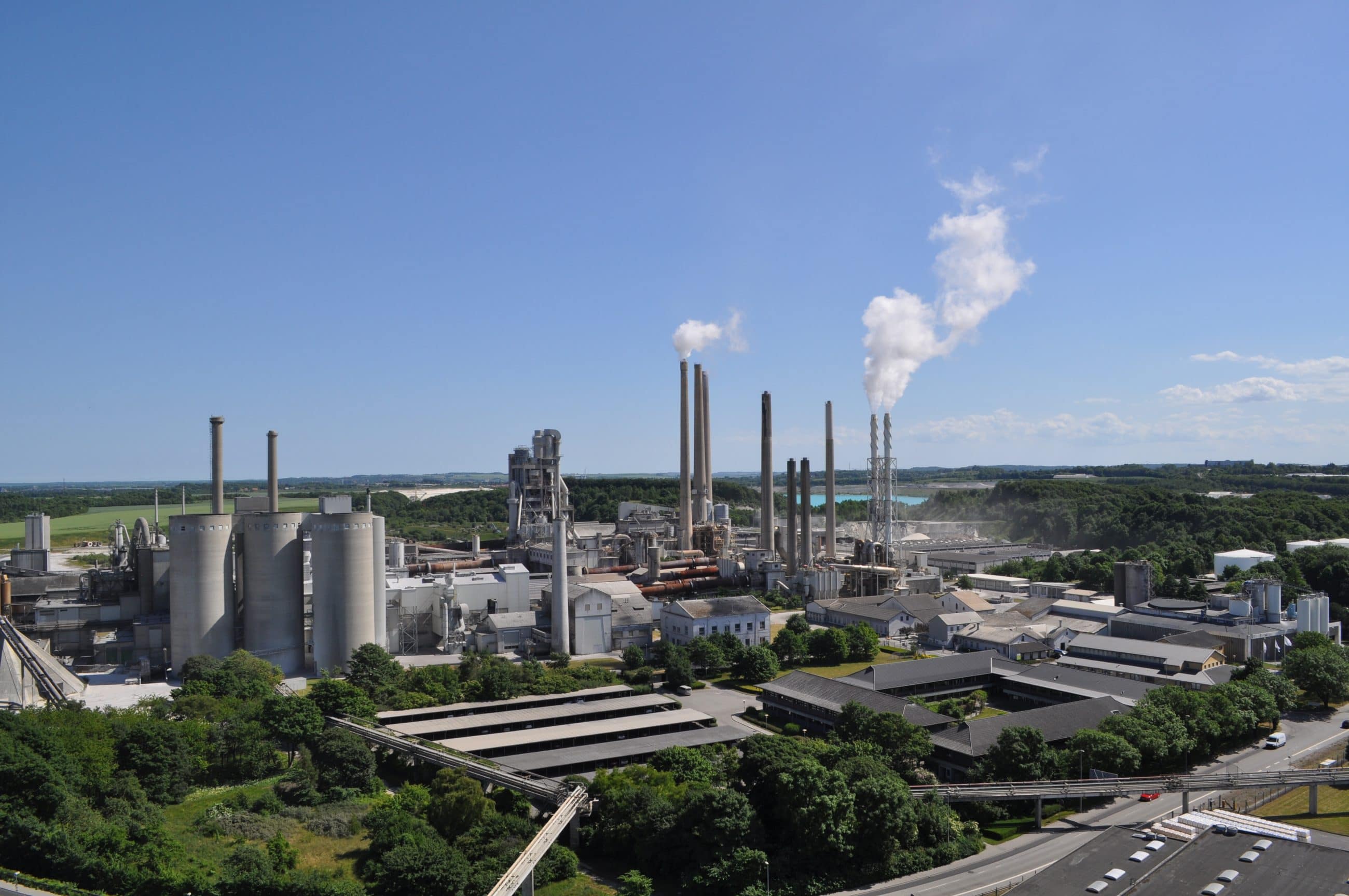
The first actions to reduce industrial pollution were introduced with the Danish Environmental Protection Act that entered into force in 1974. The Act stated that all potentially polluting companies were to undergo an environmental audit and receive an environmental permit in order to continue their production. New companies could not start their production without such a permit. Until this point in time, problems related to industrial air pollution had mainly been solved by building higher chimneys. These environmental audits and permits that outline terms of operation and emission limit values are at the core of Danish environmental regulation of industries, and the effort has proven to pay off. In Denmark, conflicts between companies and
neighbours are rare, and local authorities report on still fewer challenges related to industrial pollution. Today, few people in Denmark remember how it used to be like o live next door to a smelly, dusty and noisy industrial plant.
For many years, Denmark was a frontrunner in regulating industrial pollution. This has fostered a growing industry, which produces the solutions needed to comply with high environmental standards. With the adoption of the Directive on Integrated Pollution, Prevention and Control (IPPC) in 1996, the EU lifted the environmental/industry regulation from the national level and created the framework for a common European approach and regulation. This approach and regulation was to a large extend inspired by the Danish experiences.
The IPPC-directive introduced the principle of Best Available Techniques (BAT) that ever since has been a core principle in environmental law, stating that the polluter must comply with emission limit values equal to the utilisation of the most advanced and effective methods considered technically and economically feasible. In 2010, the Industrial Emissions directive (the IE-directive) superseded the IPPCdirective. Today, the IE-directive forms the
backbone of European industry regulation together with the Medium Combustion Plant Directive for installations from 1-50 MW, which entered into force in 2017. The two regulations cover emissions from combustion from energy production, industry and waste incineration.
This article is part of our publication ‘Clean air’.
Download now
State of Green
Air pollution from industry production
+20
Perspective
Energy efficiency in industry
+5