Solution provider

Northern Europe’s Leading Offshore Hub and Gateway to Europe.
Case
Job creation and just transition
Green Shipping
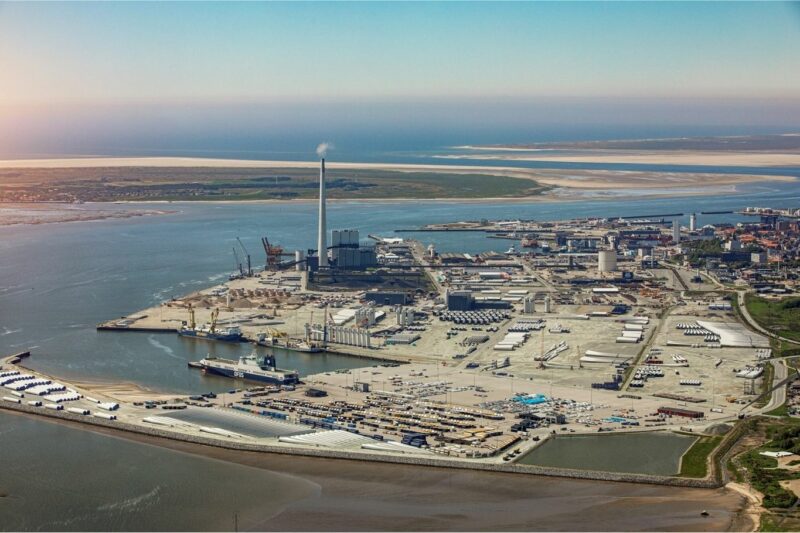
Northern Europe’s Leading Offshore Hub and Gateway to Europe.
Add the case to your visit request and let us know that you are interested in visiting Denmark
Photo credit: Port of Esbjerg
It created uncertainty for the local workforce when Port of Esbjerg faced economic decline as fish stocks fell and fish quotas tightened. At the same time, Denmark’s offshore wind sector grew rapidly, requiring ports equipped to manage complex logistics for turbine assembly and shipping. Port of Esbjerg pivoted from its fishing legacy to support this new offshore wind industry, safeguarding the local workforce along the way.
In 2002, Esbjerg was selected as the base port for Denmark’s first large-scale offshore wind farm, Horns Rev 1. Recognising wind’s potential, the port invested in new quay facilities and storage areas to accommodate ever-larger turbine components.
A key priority was retraining workers from fishing, oil and dock sectors. These individuals possessed transferable skills like heavy lifting, logistics and maritime safety, all essential for offshore wind operations. Through targeted training programmes, many gained new certifications to support the installation and maintenance work of offshore wind.
Esbjerg is now the world’s largest base port for offshore wind, handling over 80 percent of Europe’s installed capacity. The port hosts 200 companies and supports 10,000 jobs.
Its transformation shows how ports can revitalise local economies, create green jobs and enable a fair, skills-based shift.
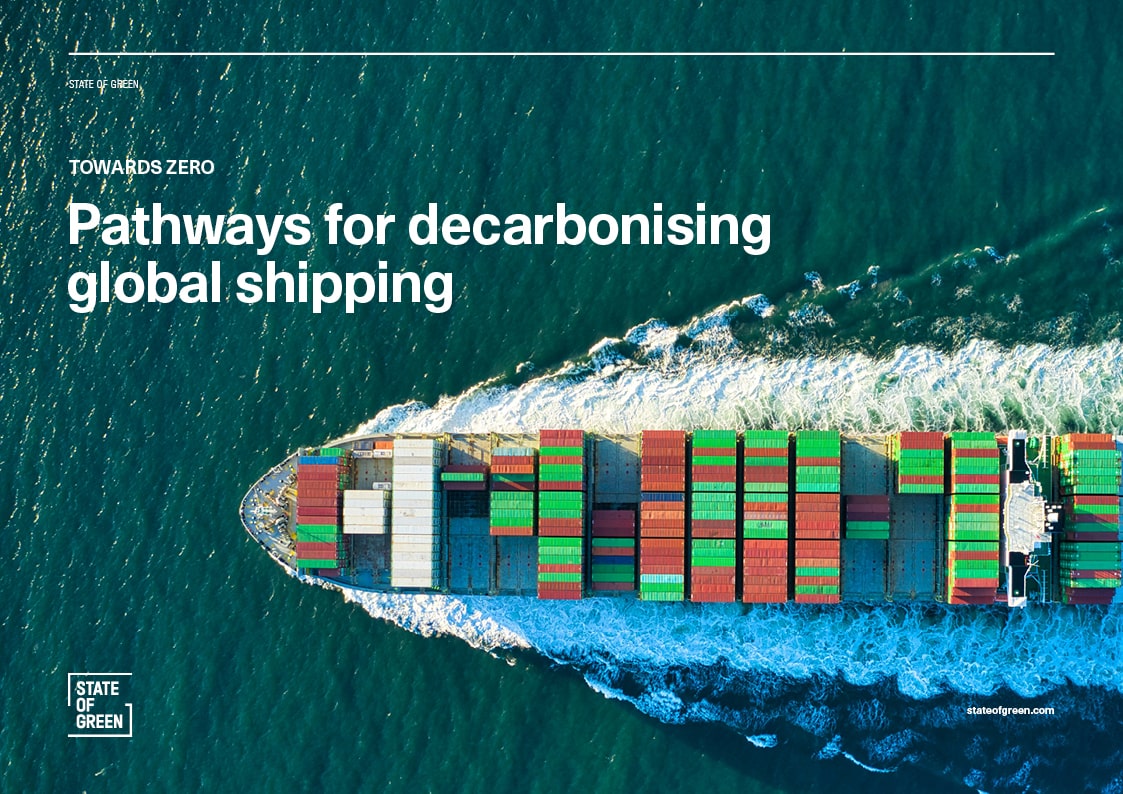
Building on longstanding maritime traditions, Denmark is committed to accelerating the global transition towards climate-neutral shipping and finding ways to overcome regulatory, financial, technological, and political barriers. Dive into Denmark’s push to decarbonise global shipping by exploring this white paper.
Discover the publication