Solution providers
Case
Green Shipping
E-fuels
Add the case to your visit request and let us know that you are interested in visiting Denmark
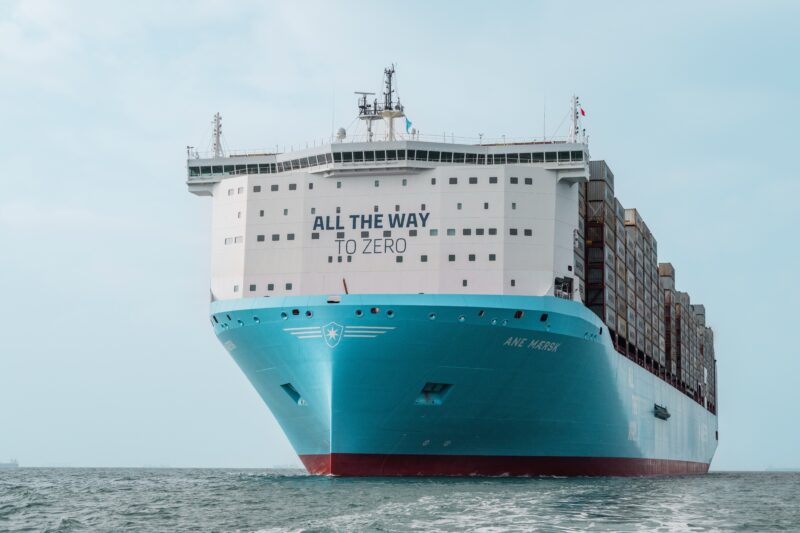
Photo Credit: Mærsk / The wedd stories
The main challenge for decarbonising global shipping is closing the price gap between fossil fuels and the green alternatives with significantly lower greenhouse gas emissions. Green methanol is currently not available in large enough volumes and costs two to three times more than conventional bunker fuel.
To deliver on its target of net-zero greenhouse gas emissions by 2040 and operate a fleet of 24 large ocean-going dual-fuel vessels by 2027, Maersk must secure a reliable and scalable green methanol supply. Without binding offtake agreements, production investments risk being delayed, and fuel availability could fall short of vessel deployment.
In November 2023, Maersk signed a landmark green methanol offtake agreement with Goldwind to source 500,000 tonnes per year of green bio- and e-methanol starting from 2026. This covers the first 12 large methanol-enabled container vessels on order.
In October 2024, Maersk signed a long-term bio-methanol offtake agreement with LONGi Green Energy Technology. LONGi will supply bio-methanol produced from agricultural residues such as straw and forestry by-products. These two agreements combined cover more than 50% of the green methanol Maersk needs to operate its dual-fuel fleet in 2027 and are part of Maersk’s strategy to actively drive the development of global green fuel production capacity.
With these two offtake agreements, Maersk has secured significant volumes of green methanol to fuel its fleet of 24 dual-fuel vessels due for delivery between 2024 and 2027. The deals provide the necessary volume and price stability to unlock new production projects and send a clear demand signal to the market.
By securing up to 600,000 tonnes of green methanol per year from 2026 onwards, Maersk can reduce lifecycle greenhouse gas emissions by at least 65% compared to conventional fossil fuels and enable its customers to decarbonise their global supply chains. The agreements support Maersk’s ambition to scale green methanol as a viable marine fuel and advance the company’s climate targets.
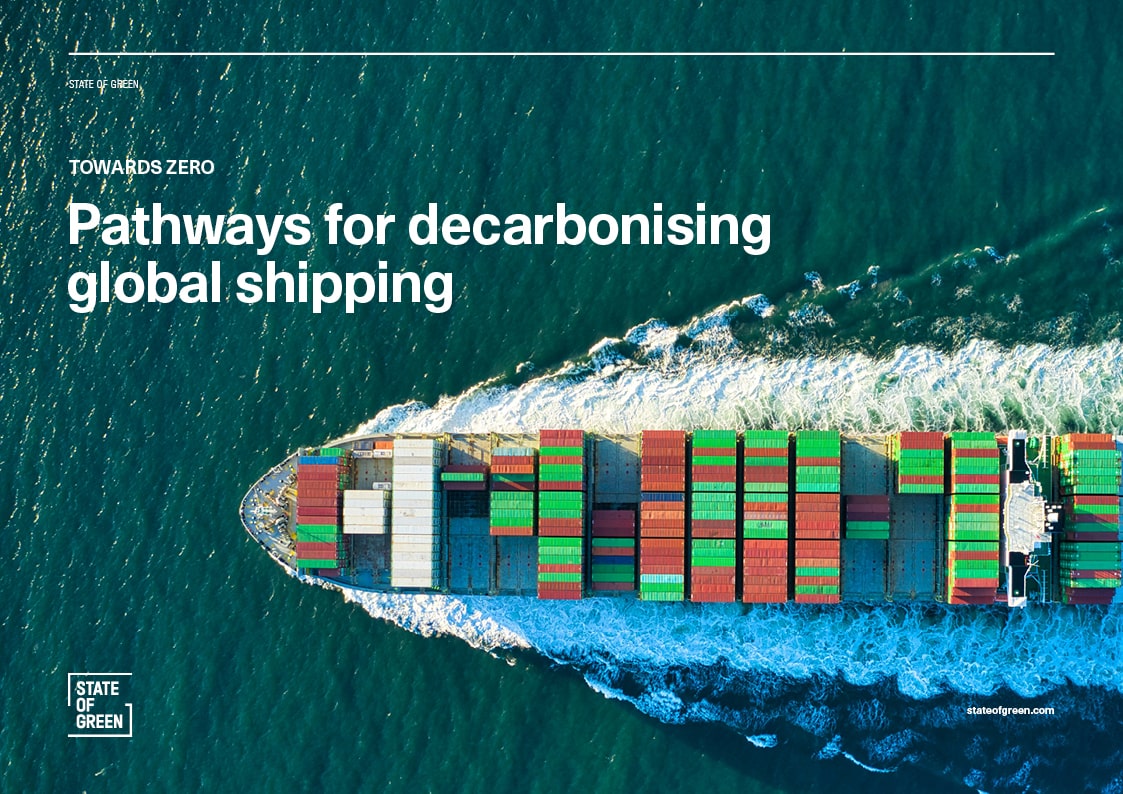
Building on longstanding maritime traditions, Denmark is committed to accelerating the global transition towards climate-neutral shipping and finding ways to overcome regulatory, financial, technological, and political barriers. Dive into Denmark’s push to decarbonise global shipping by exploring this white paper.
Discover the publication